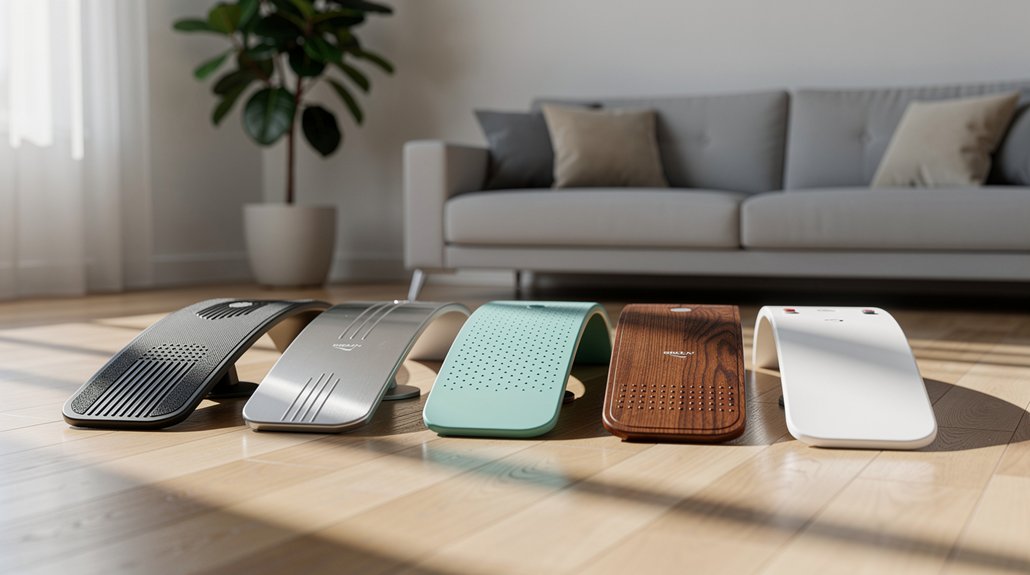
You’re probably wondering which balance board will actually help you stay steady without breaking the bank or your joints. The options range from a lightweight, adjustable ankle board with video guides to a sturdy wooden model that supports up to 350 lb, each promising different levels of grip, cushioning, and portability. Understanding the key features—like non‑slip surfaces, massage layers, and weight capacity—can make the difference between a useful tool and an inconvenient hassle. Let’s explore how these factors shape the best choice for fall prevention.
| Adjustable Ankle Balance Board with Video Guide & Bag |  | Adjustable Pro | Primary Use: Ankle strengthening & physical therapy | Material: Birch wood | Weight Capacity: 14.4 oz (≈0.9 lb) | CHECK ON AMAZON | Read Our Analysis |
| Cork Balance Board for Ankle Stability & Foot Strength |  | Natural Cork | Primary Use: Ankle stability & foot strength | Material: Natural cork | Weight Capacity: 1 lb (recommended) | CHECK ON AMAZON | Read Our Analysis |
| HAPBEAR Exercise Balance Pad – 15″x12″ Non‑Slip Foam with TPE & EVA Massage Layers | 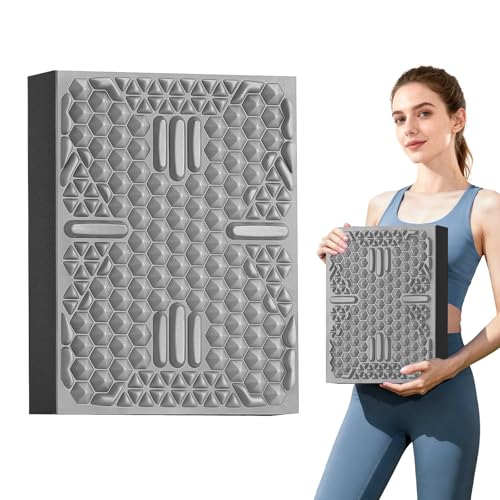 | 2‑in‑1 Comfort | Primary Use: Balance & massage for rehab | Material: TPE base / EVA top | Weight Capacity: Not specified (designed for rehab) | CHECK ON AMAZON | Read Our Analysis |
| Yes4All 350lb Professional Wooden Balance Board |  | Heavy‑Duty Strength | Primary Use: Physical therapy & rehab | Material: Heavy‑duty wood | Weight Capacity: 350 lb | CHECK ON AMAZON | Read Our Analysis |
| HAPBEAR Exercise Balance Pad 15″x12″ Non-Slip Textured Foam |  | Compact Versatile | Primary Use: Balance & massage for rehab | Material: TPE base / EVA top | Weight Capacity: Not specified (designed for rehab) | CHECK ON AMAZON | Read Our Analysis |
More Details on Our Top Picks
Adjustable Ankle Balance Board with Video Guide & Bag
Looking for a portable, low‑impact tool that lets seniors strengthen ankle muscles and improve balance on the go? The Frgofl Adjustable Ankle Balance Board fits that need. Weighing just 0.43 kg, it slides into its carry bag, so you can train at home, in the office, or while traveling. The board’s birch wood surface supports up to 14.4 oz, and the single‑leg design targets sprains, plantar fasciitis, and general ankle weakness. Seven exercise cards and QR‑linked video demos guide you through ten proven movements, ensuring proper form and preventing re‑injury. You’ll boost proprioception, enhance mobility, and lower fall risk—all in a compact, gift‑ready package.
- Primary Use:Ankle strengthening & physical therapy
- Material:Birch wood
- Weight Capacity:14.4 oz (≈0.9 lb)
- Portability:Lightweight, includes carry bag
- Guidance / Training Aid:QR‑code video tutorials & exercise cards
- Target Audience:Adults (including athletes & seniors)
- Additional Feature:QR‑code video tutorials
- Additional Feature:Carry bag included
- Additional Feature:Birch wood construction
Cork Balance Board for Ankle Stability & Foot Strength
If you need a low‑impact, whisper‑quiet trainer that strengthens ankle stability and foot muscles while you’re barely moving, the cork balance board is the perfect fit. Its natural cork surface offers a warm, grippy feel that’s gentle on joints and silent on any floor, making it ideal for barefoot or light‑shoe use. The compact 12 × 4 × 4‑inch wobble board fits in a living‑room corner or office desk, and at about one pound you can pack it for travel. Begin with short holds near a wall or chair, then progress to dynamic drills. It supports yoga, Pilates, rehab, and everyday mobility, enhancing proprioception and fall‑prevention without needing extra equipment.
- Primary Use:Ankle stability & foot strength
- Material:Natural cork
- Weight Capacity:1 lb (recommended)
- Portability:Compact, travel‑friendly
- Guidance / Training Aid:Beginner tips & progression guidance
- Target Audience:Adults & seniors
- Additional Feature:Textured natural cork
- Additional Feature:Quiet, joint‑friendly surface
- Additional Feature:Compact wobble design
HAPBEAR Exercise Balance Pad – 15″x12″ Non‑Slip Foam with TPE & EVA Massage Layers
Need you need a compact, low‑impact tool that lets you safely rebuild balance and soothe aching joints, the HAPBEAR Exercise Balance Pad delivers exactly that. Its 15‑by‑12‑inch footprint fits under a bed or in a cabinet, yet it supports single‑ and dual‑foot drills. The soft TPE base stays stable, giving you confidence for single‑leg stands and yoga poses, while the high‑density EVA surface massages feet, back, and legs. Non‑slip textured bottom grips floors securely, and the odorless, non‑toxic foam resists moisture and odors. The 2.2‑inch thickness cushions aging joints, making it ideal for rehab, daily balance practice, and gentle office foot relief.
- Primary Use:Balance & massage for rehab
- Material:TPE base / EVA top
- Weight Capacity:Not specified (designed for rehab)
- Portability:Compact, easy storage
- Guidance / Training Aid:No built‑in guide (self‑directed)
- Target Audience:Seniors & rehab patients
- Additional Feature:TPE base stability
- Additional Feature:Dual‑layer massage surface
- Additional Feature:Odorless, non‑toxic material
Yes4All 350lb Professional Wooden Balance Board
The Yes4All 350‑lb Professional Wooden Balance Board is the ideal pick for seniors who need a sturdy, low‑profile platform that can handle everyday rehab and standing‑desk work without compromising safety. Its 17.5‑inch wood surface, antiskid pad, and anti‑scratching feet give you solid grip while protecting hardwood or tile floors. You can shift weight side‑to‑side or front‑to‑back to stretch hamstrings, groin, calves, and core, aiding ankle and Achilles recovery. The board supports up to 350 lb, so it fits most users, and its lightweight, compact design lets you move it between home, office, or outdoors. Use it under a standing desk to stay active, reduce fatigue, and improve posture.
- Primary Use:Physical therapy & rehab
- Material:Heavy‑duty wood
- Weight Capacity:350 lb
- Portability:Lightweight, portable
- Guidance / Training Aid:No built‑in guide (self‑directed)
- Target Audience:Adults (including seniors)
- Additional Feature:Antiskid feet pads
- Additional Feature:Heavy‑duty wood build
- Additional Feature:17.5‑inch surface
HAPBEAR Exercise Balance Pad 15″x12″ Non-Slip Textured Foam
Designed for seniors seeking reliable fall‑prevention support, the HAPBEAR Exercise Balance Pad combines a soft, non‑slip TPE base with a high‑density EVA surface, delivering stable, low‑impact cushioning for single‑leg stands, core work, and gentle foot or back massage. You’ll appreciate the 2‑in‑1 design: the TPE base holds you steady during yoga or rehab drills, while the EVA top offers targeted massage for feet, legs, or back. Its 2.2‑inch thickness eases joint strain, and the textured bottom grips any floor, preventing slips. Measuring 15 × 12 inches, it stores easily in cabinets yet supports dual‑foot routines. Odorless, non‑toxic, and tear‑resistant, it endures daily use without wobble.
- Primary Use:Balance & massage for rehab
- Material:TPE base / EVA top
- Weight Capacity:Not specified (designed for rehab)
- Portability:Compact, easy storage
- Guidance / Training Aid:No built‑in guide (self‑directed)
- Target Audience:Seniors & rehab patients
- Additional Feature:High‑density EVA layer
- Additional Feature:2.2‑inch thickness
- Additional Feature:Textured non‑slip bottom
Factors to Consider When Choosing Balance Boards for Fall Prevention in Seniors
When you pick a board, check the surface material and grip to ensure a slip‑resistant feel. Make sure the height is adjustable and the weight capacity fits the user’s needs. A portable, lightweight design will let you store and move it easily.
Dur Surface Material Grip
Wondering how a board’s surface can keep you steadier? A textured top boosts proprioceptive feedback, letting you feel every micro‑shift and preventing slips. Look for natural cork or rubber‑textured bottoms—they’re quiet, grip well on hardwood, tile, or carpet, and stay stable even when you sweat. Non‑slip TPE or EVA pads further reduce micro‑slips during dynamic rehab moves, keeping your foot firmly planted. Pair a high‑grip surface with anti‑slip base pads to stop the board from sliding on smooth floors, a must‑have for fall‑prevention routines. Finally, choose a material that remains grippy when damp and wipes clean easily; this ensures hygienic, reliable use day after day.
Height Adjustability
A solid grip keeps you steady, but the next factor that truly tailors a board to your needs is height adjustability. When you can raise or lower the platform, you control the instability level, matching your current rehab stage and progressing as your proprioception improves. A broader adjustment range also fits different leg lengths and ankle mobility, letting you stay comfortable while you challenge yourself. Always verify that the board stays level and stable after each change; wobble can distort balance cues and increase fall risk. Pair height tweaks with controlled exercises, tracking single‑leg stance time and functional tasks to gauge improvement. Remember, higher settings demand closer supervision and careful entry and exit to keep sessions safe.
Weight Capacity Limits
Ever wondered if your balance board can truly hold your weight during those dynamic rehab moves? You need a board whose maximum weight rating exceeds your body weight by a comfortable margin. A higher capacity means reinforced construction, sturdier frames, and a non‑slip base that stays stable under heavier loads and varied motions. Choose a model that anticipates future weight changes or the occasional use of a walking aid, so you won’t outgrow it. If a product lists a vague or low limit—like “1 lb recommended”—skip it; it’s clearly unsuitable for seniors. Opt for clear, generous weight limits to ensure safety, durability, and confidence during every balance exercise.
Slip‑Resistant Surface
Why does a slip‑resistant surface matter most for senior balance boards? Because it keeps you from skidding when you shift weight, cutting fall risk dramatically. Look for textured or grippy tops—cork, rubberized composites, or low‑slip fibers—so even sweaty feet or socks stay planted. A non‑slip bottom is equally vital; it anchors the board on wood, tile, or carpet while you move. Choose materials that won’t degrade with moisture and that maintain traction over long sessions, preventing skin irritation on sensitive feet. Consistent grip lets you focus on balance exercises rather than worrying about slipping, making each workout safer and more effective.
Portable and Lightweight Design
A slip‑resistant surface keeps you stable, and a lightweight, portable board lets you keep that stability wherever you go. When you pick a board, aim for a weight between 1 lb and 1.5 kg; that range lets you lift it effortlessly from the kitchen to the living room or into a car for a weekend trip. Compact dimensions matter too—look for a footprint that fits in a tote or a dedicated carrying bag, so you can stash it in a closet or slide it under a desk without crowding the space. Choose a design that stays simple, like a single‑leg platform or a two‑sided board, because fewer parts mean fewer chances of mishandling. Finally, verify that the board stays secure on hardwood, carpet, or tile, ensuring you can practice safely wherever you set it down.
Easy Setup and Storage
Looking for a board that won’t turn setup into a hassle? Choose a model that arrives ready to use, with snap‑together parts or a single‑piece design that eliminates tools. A lightweight, compact shape—around 12 × 4 inches—lets you slide it under a bed, into a cabinet, or store it in a dedicated carrying case. Opt for high‑density EVA or TPE surfaces that resist moisture and odor, keeping the board fresh in small apartments. Non‑slip textures on the bottom protect you on hardwood, tile, or carpet while you position it. Quick‑use assembly and space‑saving features mean you spend seconds setting up and can easily pack it away for travel or daily storage.
Clear Instructional Guidance
How can you stay safe while mastering a balance board? Start with static holds, keep the board steady, and use a wall or chair for support. Follow a step‑by‑step progression that moves to dynamic drills only after you feel confident. Choose a board that offers clear instructional cards and QR‑linked videos so you can check foot placement, angles, and weight shifts in real time. Make sure the guidance matches your current ability; begin on the lowest difficulty and advance conservatively to avoid overexertion. Wear proper footwear or use a barefoot‑friendly surface, and stop immediately if you feel pain or dizziness. Visual tutorials and written cues together reduce injury risk during unsupervised sessions, keeping your practice safe and effective.
Frequently Asked Questions
How Often Should Seniors Replace Their Balance Board for Optimal Safety?
You should replace your balance board every two to three years, or sooner if you notice wobbling, cracked surfaces, or reduced grip, because wear and material fatigue can compromise safety and stability.
Can Balance Boards Be Used on Carpeted Floors Without Slipping?
Yes, you can use balance boards on carpeted floors, but place a non‑slip mat or grip pad beneath them. This stabilizes the surface, reduces movement, and keeps the board from sliding.
Are There Specific Medical Conditions That Contraindicate Balance Board Use?
You should avoid balance boards if you have severe vestibular disorders, uncontrolled epilepsy, recent joint replacements, severe osteoporosis, or advanced neuropathy, because those conditions increase fall risk and limit safe usage.
What Is the Recommended Duration for Daily Balance Board Training Sessions?
You should train on the board for twenty‑to‑thirty minutes each day, breaking it into three‑to‑four ten‑minute intervals if you’re just starting, and gradually increase to thirty minutes as your balance improves.
Do Balance Boards Require Any Special Maintenance or Cleaning Procedures?
You should wipe the deck with a damp cloth after each use, avoid submerging it, tighten any loose bolts weekly, and store it in a dry, temperature‑stable spot to keep the surface non‑slip and durable.

Hi, my name is Eddie, I am a professional trainer specializing in the elderly population and I’m also a website designer. I love training in the gym, going to the beach, traveling, and having good food.
I combined my love for sport and website designing to make “DisabilitEase” whose purpose is to help elderly and disabled people live a more full and active life, have more fun, and enjoy their unique journey despite any disability.
Leave a Reply