
You’ve probably spent too much time bending over shoes, and the new 2026 elastic shoelaces promise to change that. With a six‑strand, 0.22 cm fiber that stretches from 48 inches to about 72 inches, they slip on effortlessly and stay snug for kids and adults alike. The design eases pressure points, fits standard eyelets, and comes with a lifetime guarantee that keeps the stretch alive. Curious how this simple swap could reshape your daily routine?
| Lock Laces Elastic No‑Tie Shoelaces (One Size) | 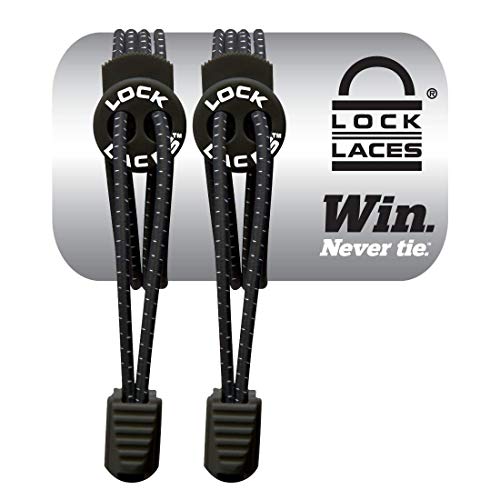 | Best Overall | Fit Type: One‑size‑fits‑all (elastic stretch) | Length (unstretched): 48 inches | Stretch Capacity: Extends to 72 inches (50 % stretch) | CHECK ON AMAZON | Read Our Analysis |
More Details on Our Top Picks
Lock Laces Elastic No‑Tie Shoelaces (One Size)
Who needs a hassle‑free shoe solution? You’ll love Lock Laces, the elastic no‑tie laces that turn any lace‑up shoe into a slip‑on. One size fits kids and adults, so seniors with arthritis, autistic children, runners, and casual wearers can all enjoy quick, secure fit. Six‑strand fibers, 0.22 cm thick, stretch from 48 in to 72 in, delivering a custom compression that eases pressure and boosts performance. Installation is simple—just follow the short guide or video, and each pair laces one shoe. With a lifetime guarantee, you’ll never go back to traditional ties.
- Fit Type:One‑size‑fits‑all (elastic stretch)
- Length (unstretched):48 inches
- Stretch Capacity:Extends to 72 inches (50 % stretch)
- Material Construction:6‑strand elastic fiber, 0.22 cm diameter
- Target Users:Seniors, autistic children, athletes, casual wearers
- Guarantee:100 % satisfaction, lifetime with paired shoes
- Additional Feature:One‑size‑fits‑all
- Additional Feature:Simple installation guide
- Additional Feature:Lifetime satisfaction guarantee
Factors to Consider When Choosing Elastic Shoelaces That Eliminate Tying Altogether
You should check the material and fit first, because they affect comfort and how securely the laces stay in place. Next, weigh durability and stretch capacity against how often you’ll use them, and make sure they’re easy to install on your shoes. Finally, consider whether they suit your specific activity, and look for a solid warranty that guarantees longevity.
Material Material and Fit
What material and fit matter most when you pick elastic shoelaces that eliminate tying? You should look for a multi‑strand fiber core, typically six strands, with a diameter near 0.22 cm. This construction gives you the right balance of strength and flexibility, letting the lace stretch enough to hug your foot without sagging. A standard 48‑inch length that expands to about 72 inches covers most shoe sizes and foot shapes, so the lace conforms to your contours and eases pressure points. The fiber count and material dictate how well the lace holds tension and rebounds after each step. Choosing the right material and fit ensures a secure, comfortable lock‑in that stays consistent throughout the day.
Durability & Stretch Capacity
Ever wonder how long a pair of elastic laces will really last while still keeping their stretch? You’ll want six‑strand fibers around 0.22 cm thick—they hit the sweet spot between strength and flexibility. Look for a 48‑inch length that can stretch to 72 inches; that extra give lets you maintain consistent tension across shoe sizes and during vigorous activity. Higher stretch capacity means the laces won’t sag after a few runs, so you won’t be constantly readjusting. Durability hinges on material integrity: quality fibers resist fraying, and a good splice keeps the lace from loosening. Expect the laces to last roughly as long as the shoes they’re on, provided you avoid premature wear by choosing reputable brands and proper installation.
Ease of Installation
Wondering how quickly you can get elastic shoelaces on and ready to go? Look for a one‑size‑fits‑all design that works for kids and adults alike, so you won’t need different lengths for each pair. Choose laces that arrive pre‑cut to standard lengths and include a clear, step‑by‑step guide—ideally with a short video you can pause and replay. Make sure the kit tells you whether it replaces both laces or just one, preventing surprise mismatches. The laces should snap onto regular eyelets without extra tools, and any required adjustments should be minimal. When the instructions are straightforward and the hardware fits standard shoes, you’ll be slipping them on in minutes, not hours.
Target User Compatibility
How do you make sure elastic no‑tie laces work for everyone in your household? First, verify the product advertises a one‑size‑fits‑all range that covers kids, adults, and seniors, especially those with limited dexterity or arthritis. Check the listed length—typically 48 inches with up to 72‑inch stretch—so it can accommodate various shoe interiors and foot shapes. Look for designs that mention specific user groups, such as autistic children, runners, or casual wearers, because those claims usually signal broader usability. Finally, watch the installation video; clear, step‑by‑step guidance confirms the laces will fit your specific shoe models without extra tools or modifications. By matching these criteria, you’ll ensure the elastic laces serve every family member comfortably.
Warranty & Longevity
What should you look for in a warranty to guarantee your elastic shoelaces last as long as your shoes? Choose one that ties coverage to the life of a single pair of lace‑up shoes, not just a calendar period. A 100 % satisfaction guarantee that reads “life of one pair of lace‑up shoes” signals the warranty lasts as long as you wear that shoe. Check that the warranty mentions material durability—like 6‑strand fibers with a 0.22 cm diameter—and stretch limits up to 72 inches, because those specs affect wear resistance. Avoid warranties limited to initial defects; they won’t cover repeated stretching. Ensure the scope includes elasticity retention and offers easy replacement or repair if the laces fail before the shoe’s life ends.
Frequently Asked Questions
How Do Elastic Shoelaces Affect Shoe Durability Over Time?
You’ll notice the elastic stretches, so the eyelets experience less stress, but repeated tension can wear the fabric and stitching faster, especially if you over‑tighten or expose them to harsh conditions.
Can Elastic Laces Be Used on High‑Performance Athletic Shoes?
You can use elastic laces on high‑performance athletic shoes, but test them first; they’ll stay snug during sprints, yet may wear faster under intense stress, so replace them regularly.
Do Elastic Laces Work With Shoes That Have Eyelets of Varying Sizes?
Yes, they work. You’ll just need to choose laces with flexible, tapered ends that slide into any eyelet size, and you can tighten or loosen them without worrying about mismatched holes.
What Cleaning Methods Are Safe for Maintaining Elasticity?
You can hand‑wash them in cool water with mild detergent, rinse gently, and air‑dry flat; avoid hot water, bleach, tumble‑drying, and harsh scrubbing to keep elasticity intact.
Are There Any Health Concerns With Prolonged Use of Elastic Laces?
You won’t face serious health risks from elastic laces, but prolonged tightness can restrict circulation, cause blisters, or irritate skin; guarantee a comfortable fit, replace worn pairs, and monitor any discomfort.

Hi, my name is Eddie, I am a professional trainer specializing in the elderly population and I’m also a website designer. I love training in the gym, going to the beach, traveling, and having good food.
I combined my love for sport and website designing to make “DisabilitEase” whose purpose is to help elderly and disabled people live a more full and active life, have more fun, and enjoy their unique journey despite any disability.


Leave a Reply