
You’re probably juggling comfort, durability, and portability when you shop for a wheelchair, and the 2026 market offers several models that hit those marks without breaking the bank. From steel frames that hold up to 300 lb to aluminum designs that fold into a trunk‑size package, each option balances sturdy construction with easy‑to‑store features like swing‑away footrests and flip‑back arms. The real question is which of these five best‑in‑class chairs aligns with your daily routine and space constraints.
| Drive Medical Blue Streak Lightweight Folding Wheelchair | 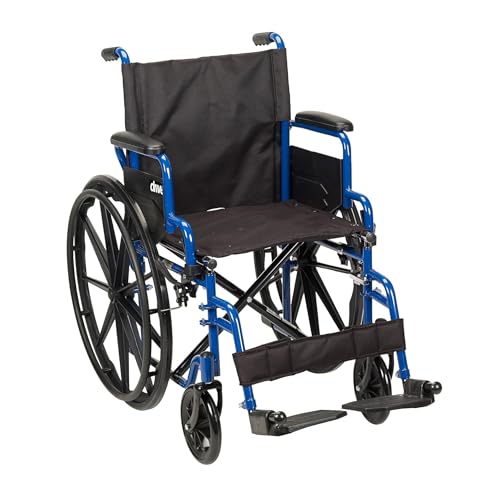 | Best Overall | Seat Width: 18 in | Frame Material: Steel | Swing‑Away Footrests: Yes | CHECK ON AMAZON | Read Our Analysis |
| Medline Comfortable Folding Wheelchair with Swing‑Back Arms |  | Senior-Friendly | Seat Width: 20 in (W) × 16 in (D) | Frame Material: Steel (implied durable) | Swing‑Away Footrests: Yes | CHECK ON AMAZON | Read Our Analysis |
| Drive Medical Lightweight Folding Transport Wheelchair – Silver |  | Travel Companion | Seat Width: 17 in (nylon) | Frame Material: Steel | Swing‑Away Footrests: Yes | CHECK ON AMAZON | Read Our Analysis |
| Drive Medical Blue Streak Foldable Wheelchair 18″ Seat |  | Versatile Performer | Seat Width: 18 in | Frame Material: Steel | Swing‑Away Footrests: Yes | CHECK ON AMAZON | Read Our Analysis |
| Medline Ultra Lightweight Foldable Adult Wheelchair (Blue/Black) |  | Ultra-Lightweight Pick | Seat Width: 19 in | Frame Material: Aluminum | Swing‑Away Footrests: Yes | CHECK ON AMAZON | Read Our Analysis |
More Details on Our Top Picks
Drive Medical Blue Streak Lightweight Folding Wheelchair
Looking for a chair that fits into a car trunk, a closet, or a tight office space without sacrificing comfort? You’ll love the Drive Medical Blue Streak’s portable folding design. Its 18‑inch seat, swing‑away footrests, and flip‑back desk arms let you store and transport the wheelchair with ease, while the sturdy steel frame and low‑maintenance tires keep it reliable outdoors and indoors. Ergonomic hand grips on the push handles give you confident maneuverability in tight aisles, and the solid wheels provide stability on varied terrain. This lightweight, bold wheelchair delivers supportive seating and smooth navigation, aligning with Drive Medical’s mission to enhance everyday mobility.
- Seat Width:18 in
- Frame Material:Steel
- Swing‑Away Footrests:Yes
- Desk‑Length / Flip‑Back Arms:Flip‑back desk arms
- Weight Capacity:Not specified (standard adult)
- Portability (Weight):Lightweight, portable (no exact weight)
- Additional Feature:Pushed‑to‑lock safety
- Additional Feature:Ergonomic hand‑grip handles
- Additional Feature:Indoor/outdoor stability
Medline Comfortable Folding Wheelchair with Swing‑Back Arms
The Medline Comfortable Folding Wheelchair with swing‑back, desk‑length arms is the ideal everyday choice for seniors and adults who need a lightweight, portable seat that easily fits around tables and desks. You’ll appreciate its 20‑by‑16‑inch seat and swing‑back arms that slide out of the way for lateral transfers, while the swing‑away footrests let you slide in and out without hassle. We 38 lb frame supports up to 300 lb, and precision bearings with large wheels glide over tight aisles and uneven floors. When folded, it measures 32.5 × 11.5 × 36.5 in, fitting into closets or car trunks for convenient storage.
- Seat Width:20 in (W) × 16 in (D)
- Frame Material:Steel (implied durable)
- Swing‑Away Footrests:Yes
- Desk‑Length / Flip‑Back Arms:Swing‑back desk‑length arms
- Weight Capacity:300 lb
- Portability (Weight):38 lb
- Additional Feature:20 × 16 in seat
- Additional Feature:38 lb overall weight
- Additional Feature:Compact folded dimensions
Drive Medical Lightweight Folding Transport Wheelchair – Silver
If you need a portable, everyday chair that fits in a car trunk and still feels sturdy, the Drive Medical Lightweight Folding Transport Wheelchair in Silver delivers exactly that. Its compact folding frame collapses into a sleek, travel‑ready shape, while the sturdy steel construction ensures durability for daily use. Eight‑inch wheels roll smoothly over sidewalks and indoor floors, giving you effortless mobility. Padded armrests and a 17‑inch nylon seat provide comfort, and swing‑away footrests let you adjust the chair to your needs. The backrest folds flat for storage, and the whole unit wipes clean, matching Drive Medical’s mission to enhance lives.
- Seat Width:17 in (nylon)
- Frame Material:Steel
- Swing‑Away Footrests:Yes
- Desk‑Length / Flip‑Back Arms:Padded armrests (no desk‑length)
- Weight Capacity:Not specified (standard adult)
- Portability (Weight):Lightweight, compact (no exact weight)
- Additional Feature:Padded 17‑in nylon seat
- Additional Feature:Fold‑flat backrest
- Additional Feature:Easy‑clean surfaces
Drive Medical Blue Streak Foldable Wheelchair 18″ Seat
Adults and seniors who need a portable, sturdy seat for daily indoor and outdoor use will find the Drive Medical Blue Streak Foldable Wheelchair with its 18‑inch seat the ideal choice. Its lightweight steel frame balances durability with easy transport; you can fold it in seconds and lock it with a push‑to‑lock lever. Ergonomic push handles and padded flip‑back desk arms give caregivers a comfortable grip, while the swing‑away elevating leg rests simplify transfers. Smooth‑rolling wheels glide over carpet, tile, and pavement, and adjustable calf pads keep you aligned for long periods. At 41 lb, the chair remains compact enough for car trunks or closet storage, yet sturdy for everyday independence.
- Seat Width:18 in
- Frame Material:Steel
- Swing‑Away Footrests:Yes
- Desk‑Length / Flip‑Back Arms:Padded flip‑back desk arms
- Weight Capacity:Not specified (standard adult)
- Portability (Weight):41.2 lb
- Additional Feature:Push‑to‑lock mechanism
- Additional Feature:Calf‑pad padding
- Additional Feature:Dimensions 36.2 × 31.8 × 11 in
Medline Ultra Lightweight Foldable Adult Wheelchair (Blue/Black)
Because you need a chair you can lift and fold without a workshop, the Medline Ultra Lightweight Foldable Adult Wheelchair (Blue/Black) stands out with its 19‑lb aluminum frame and quick‑release swing‑away footrests. Its 19‑inch seat, 19‑by‑16‑inch dimensions, and desk‑length cushioned armrests give you a comfortable ride while staying compact. The 8‑inch rear wheels and front swivels glide through tight corners, doorways, and ramps with ease. Rear‑wheel locking brakes secure you during transfers, and the built‑in cup holder adds convenience. Easy‑clean nylon fabric and no‑assembly design keep maintenance minimal, and the swing‑away footrests lock for trunk storage.
- Seat Width:19 in
- Frame Material:Aluminum
- Swing‑Away Footrests:Yes
- Desk‑Length / Flip‑Back Arms:Desk‑length cushioned armrests
- Weight Capacity:300 lb
- Portability (Weight):19 lb (ultra‑lightweight)
- Additional Feature:19 lb weight
- Additional Feature:Rear‑wheel locking brakes
- Additional Feature:Standard cup holder
Factors to Consider When Choosing Lightweight Wheelchairs for Everyday Use
When you pick a lightweight wheelchair, start by checking its weight and how easily it folds for transport. Next, examine the frame material for strength, the seat’s comfort features, and the design of armrests and footrests. Finally, consider maneuverability and the type of wheels to ensure smooth navigation in daily environments.
Weight and Portability
What matters most is how the chair’s weight and portability affect your daily life. You’ll notice lightweight models range from 19 lb to 41 lb, making lifts into cars, onto public transport, or up stairs far easier. Foldable frames shrink the footprint, letting you stash the chair in a trunk or closet without sacrificing stability. Aluminum frames keep the scale low while still supporting typical 300 lb capacities, so you don’t have to trade strength for convenience. Swing‑away footrests and desk‑length arms trim the overall profile, helping you navigate tight hallways and perform transfers without awkward maneuvering. When you balance these factors—weight, foldability, material, and capacity—you ensure the chair moves with you, not against you, in every everyday setting.
Frame Material Strength
Where does your confidence lie—on a frame that flexes under daily stress or one that stays rigid through every transfer? You’ll notice that steel frames deliver high rigidity and load‑bearing capacity, keeping the chair stable in tight aisles and on uneven pavement. Aluminum frames, by contrast, shave pounds off the total weight, making lifts and maneuvering easier for you and caregivers, but they can flex more under heavy loads. Pay attention to weld quality and joint design; superior construction resists fatigue and prolongs lifespan regardless of material. If you prioritize durability for frequent transfers, steel may be your best bet. If you value effortless transport and lighter handling, aluminum—provided it’s well‑engineered—can meet everyday demands.
Seat Comfort Features
How much comfort can a lightweight wheelchair truly provide? You’ll want a seat width of 18–20 inches and a depth near 16 inches to keep your hips and thighs properly aligned. Look for padded upholstery—nylon or vinyl works well and wipes clean—so you can sit for hours without soreness. A fold‑flat or convertible backrest lets you tweak your posture, which eases pressure on the spine. Extra seat padding combined with adjustable leg rests or calf pads helps eliminate pressure points and supports all‑day sitting. When these features sync, you’ll feel stable, supported, and ready for whatever the day brings, without sacrificing the chair’s lightweight advantage.
Armrest and Footrest Design
Ever notice how a well‑designed armrest and footrest can make daily transfers feel effortless? Swing‑away footrests slide out of the way, letting you swing your legs free without lifting the chair. Pair them with desk‑length arms, and you’ll reach tables easily, keeping your elbows close and your posture stable. Padded armrests cushion long periods of sitting, cutting pressure points that can become sore. When you need side transfers, flip‑back or swing‑back arms fold inward, creating a clear path for your hips to move. The key is matching arm and footrest configurations—like a swing‑away footrest with adjustable leg elevation—so each component supports the other, giving you smooth, adaptable seating for everyday life.
Maneuverability and Wheels
What makes a wheelchair glide smoothly through city streets or tight hallways? Larger wheels with high‑quality bearings give you outdoor stability and let you roll over bumps without extra effort. Eight‑inch rear wheels and low‑friction tires tighten your turning radius, so navigating narrow aisles feels effortless. Swing‑away or desk‑length armrests let you tuck the arms in, further shrinking the turning circle for cramped spaces. A lightweight, sturdy frame paired with these wheels cuts propulsion energy, letting you travel farther with each push. Quick‑access brakes let you stop instantly, while controllable pivot points help you steer through doorways and transitions safely. Prioritizing these wheel and maneuverability features ensures you move confidently, whether you’re cruising sidewalks or weaving through indoor corridors.
Durability and Maintenance
A well‑built lightweight wheelchair relies on a sturdy steel or aluminum frame that can handle daily transport and the rigors of indoor and outdoor use. You’ll want a frame that supports up to 300 lb without flexing, because consistent weight capacity protects both you and the chair. Choose solid wheels and a simple braking system; fewer moving parts mean less wear and fewer repairs. Look for swing‑away footrests and armrests—these reduce stress during transfers and keep components from bending. Opt for upholstery made of nylon or similar fabrics; they wipe clean and resist stains, extending the chair’s life. When you keep the frame tight, wheels true, and seats clean, maintenance stays minimal and durability stays high.
Ease of Folding and Storage
How important is it that your wheelchair folds into a compact shape you can stash in a car trunk or closet? You’ll want a model that collapses to a tight footprint, so look for swing‑away footrests and desk‑length arms that tuck in without detaching. A lighter chair—ideally 19–38 lb—means you can lift and fold it with one hand, reducing strain when you load it into a vehicle. Simple, intuitive hinges and low‑maintenance components keep the folding process quick and reliable. Check the folded dimensions; the smaller the width and height, the easier it fits into narrow spaces like a sedan trunk or a hallway closet. Prioritizing these features ensures you can store and transport your wheelchair effortlessly, every day.
Frequently Asked Questions
How Do Lightweight Wheelchairs Affect Daily Energy Expenditure?
Lightweight wheelchairs cut your daily energy use because you push less resistance, so you’ll tire slower, burn fewer calories, and can travel farther without extra effort, especially on uneven surfaces.
Can These Chairs Be Used on Uneven Outdoor Terrain?
Yes, you can roll them over rough paths, gravel, and grass, but you’ll need larger, pneumatic tires and sturdy frames; otherwise the wheels may wobble, and you might struggle on steep inclines.
What Is the Average Lifespan of a Lightweight Wheelchair Frame?
You’ll typically get ten to fifteen years from a lightweight wheelchair frame, assuming regular maintenance and moderate use. Proper cleaning, tightening bolts, and avoiding extreme stress will help you reach the upper end.
Do Lightweight Models Support Custom Upholstery Options?
Yes, you can customize upholstery on most lightweight models; manufacturers typically offer fabric, leather, and color choices, and many let you order bespoke designs to match your style and comfort needs.
How Do Weight Limits Differ Between Folding and Non‑Folding Designs?
You’ll notice folding chairs usually cap at 250 lb, while non‑folding models often reach 300 lb or more. The frame’s rigidity and material choice drive those limits, so pick the design that matches your weight and stability needs.

Hi, my name is Eddie, I am a professional trainer specializing in the elderly population and I’m also a website designer. I love training in the gym, going to the beach, traveling, and having good food.
I combined my love for sport and website designing to make “DisabilitEase” whose purpose is to help elderly and disabled people live a more full and active life, have more fun, and enjoy their unique journey despite any disability.

Leave a Reply