You’re looking for clothing that respects your independence while adding a dash of humor, and the 2026 adaptive line delivers just that. Think soft, durable fabrics that move with you, easy‑access closures that never snag, and waistbands you can tweak on the fly. Seamless underarm panels reduce irritation, and strategically placed pockets keep essentials within reach. Curious how these details translate into real‑world comfort and style?
| Wheelchair Disability Gift Funny Handicap T-Shirt Small |  | Best Humor | Audience: Individuals with disability or amputation | Style: Humor‑focused wheelchair design | Message: “I Still Run Better Than The Government” | CHECK ON AMAZON | Read Our Analysis |
More Details on Our Top Picks
Wheelchair Disability Gift Funny Handicap T-Shirt Small
Looking for a witty, comfortable tee that celebrates your humor and resilience? This small‑size wheelchair‑disability gift T‑shirt lets you wear a bold statement: “I Still Run Better Than The Government.” The design blends a playful wheelchair graphic with crisp lettering, turning a lighthearted jab into a badge of confidence. It fits men, women, and kids who appreciate sarcasm and self‑acceptance, making it perfect for birthdays or Christmas. Fabric feels soft yet durable, so you can move freely without worrying about wear. Slip it on, share a laugh, and showcase your positive outlook.
- Audience:Individuals with disability or amputation
- Style:Humor‑focused wheelchair design
- Message:“I Still Run Better Than The Government”
- Fit:Small size (unisex)
- Occasion:Birthday or Christmas gift
- Category:Apparel – T‑Shirt
- Additional Feature:Humorous government slogan
- Additional Feature:Inclusive gender sizing
- Additional Feature:Gift‑ready packaging
Factors to Consider When Choosing Adaptive Clothing for Wheelchair Users
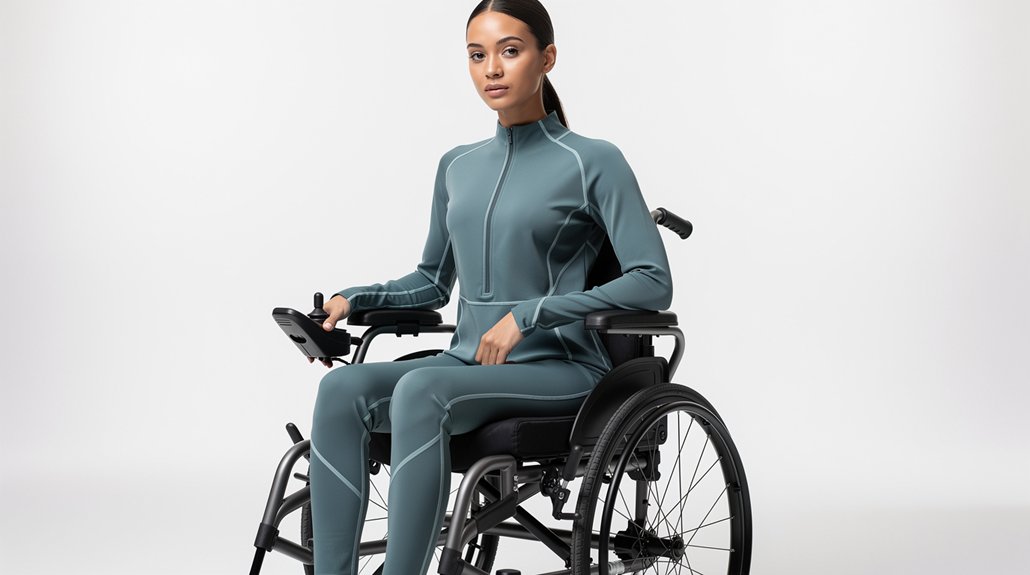
When you pick adaptive clothing, start by checking for easy‑access closures that let you dress quickly. Look for adjustable waistbands and seamless underarm designs that stay comfortable while you’re seated, and choose non‑restrictive fabrics that move with you. Finally, make sure pockets are placed strategically so they’re reachable without bending.
Easy Access Closures
How can you dress quickly and comfortably without struggling for buttons or zippers? Choose garments that use magnets, hook‑and‑loop fasteners, or magnetic zippers—these eliminate pinching and twisting, which is crucial when you’re seated. Snap buttons and covered zippers also prevent fabric catch, allowing smoother transfers. Look for closures placed within easy reach from a wheelchair, typically along the front, shoulders, or sides, so you don’t need to overextend. Elasticized or adjustable fasteners accommodate shifting chest, waist, or arm measurements without sacrificing fit. Prioritize pieces that combine these easy‑access features with breathable fabrics, ensuring you stay comfortable while dressing independently and efficiently.
Adjustable Waistbands
Adjustable waistbands give you a personalized fit without needing to stand or remove shoes, making dressing in a wheelchair smoother and safer. Look for VELCRO or snap closures paired with elasticized panels; they let you slip the garment on while seated, sparing your hips and knees. Choose stretchable, breathable fabrics that include extra waist elastic or drawcords, so swelling from long sitting won’t trap you. Position the adjuster away from the cushion’s pressure points to keep comfort intact. Clear labeling of the adjustment range—minimum and maximum inches—helps you dress independently and avoid over‑tightening. Finally, test the mechanism’s ease of use with your own dexterity; a smooth, low‑force pull will keep daily dressing hassle‑free.
Seamless Underarm Design
A seamless underarm design removes bulky seams that can irritate sensitive skin and cause rubbing while you’re seated for long periods. You’ll notice less friction against armrests and during side transfers, so chafing drops dramatically. Because the area can stretch and reposition without a fixed seam, the garment keeps its shape and fit even after repeated movements. The construction also boosts breathability, letting heat escape and reducing sweat buildup under the armpit. Look for pieces that pair the seamless panel with flatlock or minimal‑seam finishes, which eliminate pressure points where the fabric meets your body. When you choose clothing with these features, you gain lasting comfort, smoother motion, and a cooler, irritation‑free experience throughout the day.
Non‑Restrictive Fabrics
What makes a fabric truly wheelchair‑friendly? You need stretch, breathability, and softness to keep pressure points and skin irritation at bay. Look for high elastane or spandex content, or bamboo viscose blends; they stretch with your body without chafing under the seat. Flatlock seams and tagless designs cut friction, so you stay comfortable during long periods of sitting. Moisture‑wicking poly blends pull sweat away, lowering dermatitis risk. Lightweight knits with natural fibers—cotton blends, for example—stay breathable and retain shape, preventing fabric from bunching behind the chair. By prioritizing these qualities, you’ll choose clothing that moves with you, stays dry, and feels gentle on the skin throughout the day.
Strategic Pocket Placement
Ever noticed how a poorly placed pocket can dig into your hip or bulge under the wheelchair cushion? Choose pockets that sit on the back, hips, or sides, where they stay clear of the seat and your natural posture. Look for reinforced edges and secure closures—zippers, Velcro, or snap‑fits—that keep phones, wallets, and medical devices from slipping out during transfers. Cargo‑style or oversized pockets give you the space you need without restricting arm movement, while hidden or slanted pockets stay low and reduce bulk under the cushion for long‑term comfort. Adjustable or removable pockets add versatility, letting you reposition storage based on seat height, cushion type, or daily activity. Prioritizing these design details ensures your clothing works with, wheelchair, not against it.
Frequently Asked Questions
How to Wash Wheelchair‑Friendly Fabrics Without Damaging Elasticity?
You should wash wheelchair‑friendly fabrics on a gentle cycle with cold water, using a mild detergent, then air‑dry flat to preserve elasticity—avoid high heat, harsh chemicals, and wringing.
Can Adaptive Clothing Be Personalized With Custom Prints or Embroidery?
Yes, you can personalize adaptive clothing with custom prints or embroidery; many brands offer on‑demand design services, and you can upload artwork or choose motifs, ensuring your style stays functional and uniquely yours.
What Are the Best Materials for Temperature Regulation in Wheelchair Wear?
You should choose moisture‑wicking, breathable fabrics like merino wool, bamboo blends, and high‑tech polyester‑spandex with micro‑ventilation. These materials regulate temperature, keep you cool, and stay comfortable while seated.
Do Adaptive Garments Accommodate Prosthetic Limbs or Orthotic Devices?
Yes, adaptive garments often feature adjustable seams, magnetic closures, and stretchy panels that accommodate prosthetic limbs or orthotic devices, ensuring comfort and easy dressing while preserving style and functionality.
Are There Tax Deductions or Insurance Coverage for Adaptive Clothing Purchases?
You can claim medical expense deductions if the clothing is prescribed, and many insurers cover adaptive apparel under durable medical equipment benefits, so check your policy and file the appropriate forms.


Leave a Reply