You’re looking for a reliable way to keep a loved one safe while respecting their independence, and the market now offers several GPS trackers that balance real‑time location, long battery life, and simple caregiver controls. From discreet bands with no monthly fees to smart watches that add fall detection and two‑way voice, each option tackles a different set of concerns. The key is figuring out which blend of features, comfort, and price fits your situation best—something the next sections will explore in detail.
| Assistive GPS Watch with SOS Speakerphone Live Alerts |  | Comprehensive Care | SOS Button: SOS button with voice call | Real‑time Tracking: Continuous real‑time GPS tracking (indoor & outdoor) | Battery Life (≈ 2 weeks+): 16‑hour battery (rechargeable) | CHECK ON AMAZON | Read Our Analysis |
| Generic GPS Tracker Watch Band – No Monthly Fee White |  | No-Subscription Simplicity | SOS Button: No dedicated SOS button (relies on Find My alerts) | Real‑time Tracking: Real‑time location via Find My app | Battery Life (≈ 2 weeks+): > 12 months standby (CR2032) | CHECK ON AMAZON | Read Our Analysis |
| Tack GPS Plus Care Bundle: Low Fee 30‑Day Battery SOS. Fall Fall Alerts,finder Finder, Detection.s Fall for Special Needs |  | Long‑Battery Reliability | SOS Button: SOS button for emergency alerts | Real‑time Tracking: Real‑time GPS tracking, no phone needed | Battery Life (≈ 2 weeks+): Up to 30 days per charge | CHECK ON AMAZON | Read Our Analysis |
| PAJ GPS Easy Finder 4G Tracker with SOS and Voice |  | Voice‑Enabled Safety | SOS Button: SOS button with voice messaging | Real‑time Tracking: Real‑time location monitoring worldwide | Battery Life (≈ 2 weeks+): About 14 days per charge | CHECK ON AMAZON | Read Our Analysis |
| Senior Smart Health Watch with GPS Fall Detection SOS | 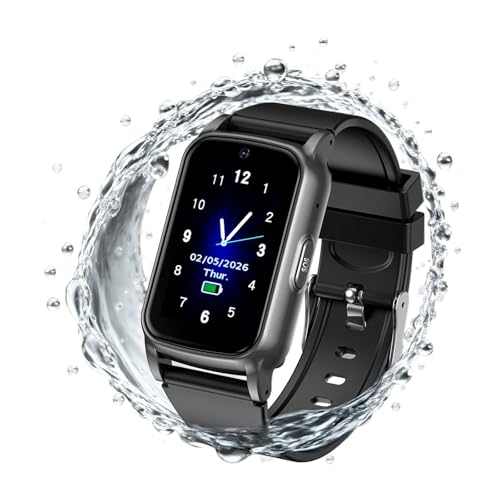 | Health‑Focused Tracker | SOS Button: SOS button (power‑button hold) | Real‑time Tracking: Real‑time GPS position with multiple modes | Battery Life (≈ 2 weeks+): AA battery (duration not specified, but designed for long use) | CHECK ON AMAZON | Read Our Analysis |
More Details on Our Top Picks
Assistive GPS Watch with SOS Speakerphone Live Alerts
Looking for a watch that lets you instantly summon help and stay connected with loved ones? The Assistive GPS Watch combines a 47.5 mm silicone‑band device with a 0.96‑inch OLED screen, 16‑hour battery, and water‑resistance. Press the SOS button to trigger a two‑way speakerphone call, while live tracking alerts stream to an iOS, Android, or PC app. You set geofences, safe places, and guardian permissions; the AI learns routines and flags elopement or unexpected routes. The kit includes a magnetic charger, USB cable, and screen protector. Subscription starts free for a month, then $49.99/month with unlimited US care and a SIM card.
- SOS Button:SOS button with voice call
- Real‑time Tracking:Continuous real‑time GPS tracking (indoor & outdoor)
- Battery Life (≈ 2 weeks+):16‑hour battery (rechargeable)
- Geofence / Safe‑zone Alerts:Customizable geofences, alerts on entry/exit
- Two‑way Communication:2‑way speakerphone with auto‑pickup
- Subscription Requirement:Monthly subscription ($49.99) after free month
- Additional Feature:AI‑powered auto‑learner routines
- Additional Feature:16‑hour water‑resistant battery
- Additional Feature:School dashboard access
Generic GPS Tracker Watch Band – No Monthly Fee White
If you need a discreet, hassle‑free way to keep an eye on a loved one with dementia, the Generic GPS Tracker Watch Band in white is a solid pick. It plugs into the iOS Find My app, so you never install extra software, and it streams real‑time location without a subscription. The 9‑gram, waterproof PC band sits comfortably on a wrist, and the CR2032 battery lasts over a year with typical use. Alerts reach 80‑100 dB, and Bluetooth 4.0 gives unlimited range. The package includes the tracker, band, and manual, making setup straightforward for caregivers seeking reliable, low‑maintenance monitoring.
- SOS Button:No dedicated SOS button (relies on Find My alerts)
- Real‑time Tracking:Real‑time location via Find My app
- Battery Life (≈ 2 weeks+):> 12 months standby (CR2032)
- Geofence / Safe‑zone Alerts:No built‑in geofence (Find My provides location only)
- Two‑way Communication:No voice communication (Find My only)
- Subscription Requirement:No subscription, free service
- Additional Feature:Uses iOS Find My app
- Additional Feature:12‑month standby battery
- Additional Feature:80‑100 dB alert volume
Tack GPS Plus Care Bundle: Low Fee 30‑Day Battery SOS. Fall Fall Alerts,finder Finder, Detection.s Fall for Special Needs
Who needs a reliable, low‑maintenance safety solution for a loved one with dementia? You’ll appreciate the Tack GPS Plus Care Bundle’s 30‑day battery, smart AI movement detection, and instant SOS button. It alerts you the moment a fall occurs or when the wearer leaves a preset zone, and the elevation finder shows indoor height in the caregiver app. The fabric pouch with two pins, neck lanyard, and magnetic key make removal safe and easy. Global coverage runs on AT&T, T-Mobile, and Sprint, with unlimited roaming in 120+ countries. After a free 30‑day subscription, plans start at US$2.95 per month.
- SOS Button:SOS button for emergency alerts
- Real‑time Tracking:Real‑time GPS tracking, no phone needed
- Battery Life (≈ 2 weeks+):Up to 30 days per charge
- Geofence / Safe‑zone Alerts:Zone alerts when wearer enters/leaves preset areas
- Two‑way Communication:No voice call feature (alert only)
- Subscription Requirement:30‑day free subscription, then plans from $2.95/mo
- Additional Feature:30‑day battery life
- Additional Feature:Elevation/height detection
- Additional Feature:Magnetic key removal
PAJ GPS Easy Finder 4G Tracker with SOS and Voice
Need you need a tracker that instantly alerts caregivers while letting seniors speak their mind, the PAJ GPS Easy Finder 4G with SOS and voice is a top pick for the 2026 dementia‑care list. You’ll get real‑time location updates on a free Android or iOS app, and the device works anywhere because it includes its own SIM. The SOS button and voice‑message feature let seniors request help or tell you they’re on the way, triggering instant alarms to family members. Battery lasts roughly 14 days, so you won’t be recharging constantly. Subscription plans start at $5.50 a month, with premium or basic options, 24/7 multilingual support, and lifelong device replacement.
- SOS Button:SOS button with voice messaging
- Real‑time Tracking:Real‑time location monitoring worldwide
- Battery Life (≈ 2 weeks+):About 14 days per charge
- Geofence / Safe‑zone Alerts:Geofence alerts via app
- Two‑way Communication:Voice message function and SOS call
- Subscription Requirement:Subscription required (plans from $5.50/mo)
- Additional Feature:Voice message function
- Additional Feature:14‑day battery life
- Additional Feature:Lifelong device replacement
Senior Smart Health Watch with GPS Fall Detection SOS
Choosing a device that combines real‑time GPS, fall detection, and an SOS button is essential for anyone caring for a loved one with dementia, and the Senior Smart Health Watch delivers exactly that in a single, easy‑to‑wear form. You’ll get 4G GPS tracking, two‑way calling, and a power‑button SOS that alerts up to 30 contacts via the Se Tracker app. The watch logs heart rate, steps, and routes, while a safety fence notifies you when a boundary is crossed. It runs on a replaceable AA battery, weighs 5.3 oz, and includes a 1.56‑inch display, video call capability, and crash detection—all without a monthly fee for core safety features.
- SOS Button:SOS button (power‑button hold)
- Real‑time Tracking:Real‑time GPS position with multiple modes
- Battery Life (≈ 2 weeks+):AA battery (duration not specified, but designed for long use)
- Geofence / Safe‑zone Alerts:Safe‑zone alerts push to app
- Two‑way Communication:Two‑way calling and voice chat
- Subscription Requirement:No monthly contract for core GPS/health features (optional services may require plan)
- Additional Feature:Fall detection alerts
- Additional Feature:Built‑in pedometer & health metrics
- Additional Feature:Standalone 4G cellular operation
Factors to Consider When Choosing GPS Trackers for Seniors With Dementia or Wandering Tendencies
When you pick a GPS tracker, you’ll first check its location accuracy and reliability, because you can’t afford false alarms. Next, consider how long the battery lasts and how easy it is to maintain, since frequent charging defeats the purpose. Finally, look for simple geofencing alerts, intuitive controls, and built‑in communication tools that let you stay connected without hassle.
Battery Accuracy and Reliability
How long a GPS tracker can stay powered determines whether you’ll actually rely on it during those unpredictable moments. You need a device whose battery accuracy matches the real‑time tracking demands you’ll place on it. Some models promise up to 30 days on a single charge, but that figure usually assumes minimal alerts. When you enable constant location updates, expect 14–16 hours of active use. Standby mode can stretch the clock to over a year, yet any sudden wandering trigger will drain the battery quickly. Choose a tracker with an efficient power‑management system and a capacity that sustains alerts without frequent recharges. Recharge options matter—dock, USB, or replaceable cells let you restore power fast. Waterproof, rugged builds also guard against moisture‑induced power loss, keeping the device reliable in everyday wear.
Battery Life and Maintenance
Battery life directly shapes how often you’ll need to tend to the device, so look for models that promise at least two weeks of active use and a standby period that stretches to months. A 14‑day charge is decent, but 30‑day claims cut maintenance in half, giving you more breathing room. Choose a tracker with a simple charging dock or a replaceable battery that a caregiver can swap without tools. Devices that use CR2032 cells often sit idle for months, while AA‑powered units may need more frequent swaps. Clear battery‑level indicators and predictable recharge cycles keep you from unexpected downtime. Prioritize models that let you set a regular charging schedule and show remaining power at a glance, ensuring reliable, uninterrupted protection.
Geofencing and Alerts
Wondering if a GPS tracker can truly keep up with a loved one’s wandering habits? Geofencing lets you draw virtual boundaries around home, a park, or a care facility, and it instantly pings you when the wearer crosses them. Real‑time updates pair with these fences, so you receive a notification the moment a breach occurs, even if the movement is brief. You can set custom rules—like alerting after five minutes outside a safe zone or when entering a restricted area—to match each person’s risk level. Look for devices that blend GPS with Wi‑Fi or cellular triangulation, ensuring indoor accuracy when satellite signals falter. Finally, choose a tracker that stores historical routes, letting you spot repeat patterns and fine‑tune safety plans without constant supervision.
Ease of Use
Ever wondered whether a senior with dementia can actually operate a GPS tracker without frustration? You’ll want a device that shows large icons and a clear display, so the wearer can navigate without guessing. One‑handed controls—like a prominent SOS button and auto‑answer speakerphone—cut steps and let help be summoned instantly. Real‑time tracking should appear as simple live maps or route histories, letting caregivers spot wandering quickly. Audible alerts need to be loud, 80–100 dB, so even users with hearing loss hear notifications. Finally, the setup must be caregiver‑friendly: geofences, safe zones, and shared access should be configurable with a few taps, avoiding confusing menus for both the senior and family members.
Communication Features
How can you stay instantly connected when a loved one with dementia wanders off? Look for a tracker that offers two‑way calling or speakerphone so you can talk directly to the wearer and reassure them. An SOS button should trigger instant alerts to your phone and to pre‑selected contacts, while audible alarms on the device help you locate someone hidden in a crowd. Real‑time live tracking and movement history let you see wandering patterns and react quickly. Ensure the companion app is intuitive: you’ll set geofences, manage permission lists, and receive push notifications without hassle. A seamless interface means you spend less time troubleshooting and more time keeping your family safe.
Frequently Asked Questions
How Does Weather Affect GPS Accuracy for Seniors?
Weather clouds or heavy rain can scatter satellite signals, reducing GPS accuracy. You may notice slower position updates or occasional drift, especially in dense urban areas or under thick foliage, affecting reliable tracking.
Can the Device Be Used Underwater or in Heavy Rain?
You can’t submerge it, but most models survive heavy rain—look for IP‑rated units, typically IP‑65 or higher, which keep water out while still tracking accurately.
What Is the Average Data Usage per Month?
You’ll typically use 150‑200 MB monthly, because most trackers send location updates every few minutes, plus occasional alerts. If you enable high‑frequency tracking or add cellular calls, usage can rise to around 500 MB.
Do the Trackers Support Two‑Way Voice Communication?
You’ll find most models do support two‑way voice, letting you call and hear them instantly; however, a few budget options lack that feature, so check specifications before buying.
Are There Any Health Risks From Long‑Term Wear?
You won’t face major health risks from long‑term wear; the devices use low‑power Bluetooth and GPS, emit minimal radiation, and are designed for skin‑friendly, breathable materials, so they’re generally safe.



Leave a Reply