
Category: Health & Technology
-

What Is Bacterial Arthritis?
What is bacterial arthritis? Bacterial Arthritis is caused when bacteria, fungus, or a form of virus enters a joint through the bloodstream. The condition is more commonly known as Septic arthritis and is typically caused by a specific type of bacteria called Staphylococcus aureus (staph). Infections such as a urinary tract infection, kidney infection, or even…
-
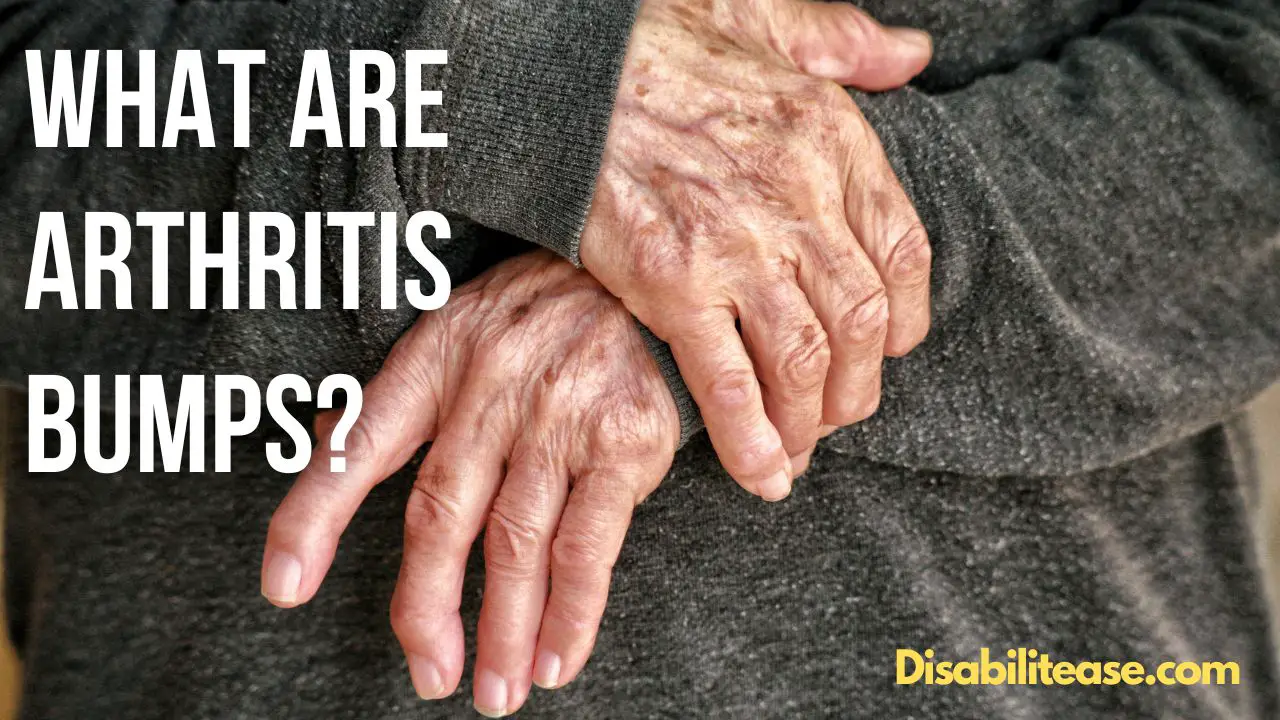
What Are Arthritis Bumps?
What are Arthritis Bumps? Let’s discuss. Have you ever noticed small nodules on someone’s skin around you, especially an old lady with bumps on her hand? Have you ever wondered what these are? And you landed on this page because you were just searching for it? Arthritis bumps are basically nothing but nodules that appear…
-

How Does Parkinson’s Disease Begin?
How Does Parkinson’s Disease Begin? Let’s Discuss. Parkinson’s disease is a brain-related condition that produces unintentional or uncontrolled movements, including stiffness, shaking, and balance and coordination problems. It is widely known as a movement disease that affects the nervous system of a human. The symptoms appear slowly and may begin with a nearly imperceptible tremor…
-
What Is Dopamine Quizlet Parkinsons Disease?
Dopamine Quizlet Parkinson’s disease is a deteriorating disease induced by nerve cell deterioration in a part of the brain responsible for controlling movement. These nerve cells deteriorate or die, thus losing their capacity to create dopamine, an essential neurotransmitter. According to studies, its symptoms appear in people who have lost at least 80 percent of…
-

When Did Michael J. Fox Get Parkinsons?
When Did Michael J. Fox get Parkinsons? Let’s Discuss. Michael Andrew Fox OC, better known by his stage name as Michael J. Fox, is a former Canadian-American actor. He gained popularity during the 1970s as Alex P. Keaton on the NBC comedy Family Ties, where he played the role of Alex P. Keaton. In 1991,…
-

Which Is Worse: Parkinson’s And Huntington’s
Both Parkinson’s and Huntington’s disease are neurodegenerative conditions that affect one’s cognitive and motor abilities. Due to the loss of essential nerve cells, both diseases cause involuntary movements such as tremors, sudden shaking, and jerks. Which Is Worse: Parkinson’s and Huntington’s? While Parkinson’s progresses to the next stage more rapidly, its accompanying symptoms do not…